How AI is Transforming Creative Industries
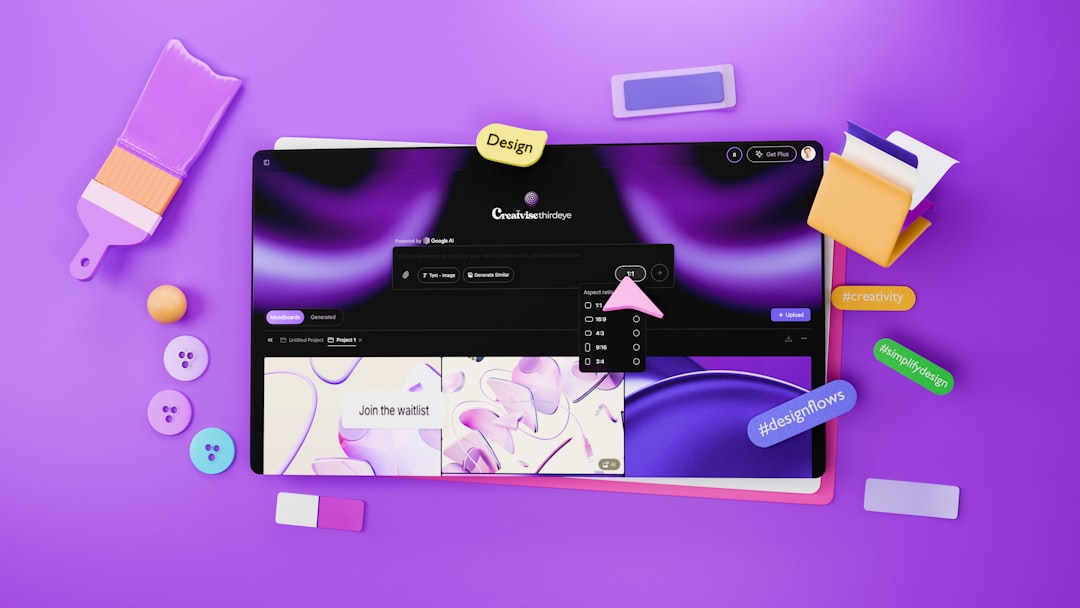
The rise of Artificial Intelligence (AI) is revolutionizing the creative industries, profoundly altering the production and consumption of art, media, design, and entertainment. In this blog post, we delve into the diverse impacts of AI on these sectors, drawing upon recent research and compelling case studies.
Understanding the AI Landscape in Creative Industries
AI technologies are increasingly being integrated into creative sectors, leading to remarkable improvements in productivity and output. Research from the London School of Economics (LSE) highlights how AI enhances visual effects in films, streamlines post-production processes, and contributes to the development of intricate video games. While fears of job displacement loom large, evidence indicates a dynamic evolution in creative fields as they embrace these technologies.
Historically, AI’s adoption mirrors the transformative impact of innovations like the printing press, which reshaped literature and knowledge sharing. Today, AI democratizes creative tools, encourages innovation, and facilitates unique collaborations. However, it also challenges traditional business models and raises ethical dilemmas regarding authorship and the distribution of value in the digital landscape.
The Benefits of AI in Creative Industries
- Enhanced Creativity and Collaboration: AI tools empower artists and creators to explore new artistic frontiers. Generative AI, for instance, enables the creation of innovative styles and techniques previously thought impossible.
- Increased Efficiency: By automating routine tasks, AI allows creators to concentrate on higher-level creative endeavors, leading to quicker production times and cost savings.
- Personalization: AI algorithms analyze user data, delivering tailored content that boosts audience engagement and satisfaction.
Challenges and Risks of AI Integration
| Challenge | Description |
|---|---|
| Job Displacement | AI poses a risk of replacing human artists or displacing jobs, reminiscent of past technological upheavals. |
| Commodification | The commoditization of creative products may undermine the intrinsic value of artistic work. |
| Intensified Competition | As AI democratizes creative tools, competition among creators intensifies, potentially sidelining less prominent voices. |
Real-World Applications and Case Studies
Several case studies exemplify the dual impact of AI on creative industries:
- Film and Entertainment: AI-powered tools like Adobe After Effects have transformed post-production, enabling filmmakers to produce stunning visual effects that were once labor-intensive and expensive.
- Music Industry: AI algorithms analyze listener preferences, assisting artists and producers in crafting music that resonates with specific audiences. Platforms like Spotify leverage AI to curate personalized playlists, enhancing user engagement.
- Visual Arts: The rise of AI-generated art challenges traditional views on authorship. Artists increasingly collaborate with AI, merging human creativity with machine learning to create unique pieces.
Regulatory Needs and Ethical Considerations
As AI technology continues to advance, establishing a regulatory framework that nurtures creators while tackling ethical concerns is essential. Issues regarding copyright, ownership, and the moral implications of AI-generated content need to be addressed to cultivate a fair and equitable creative landscape.
Research from HEC Paris emphasizes that adaptable, forward-thinking regulations are crucial to ensure AI serves as a tool for enhancement rather than a source of conflict.
Summary and Key Takeaways
The influence of AI on the creative industries is both significant and complex. While it presents numerous advantages—such as boosting creativity and improving efficiency—it also brings forth notable challenges, including job displacement and heightened competition.
Key Takeaways:
- AI is revolutionizing creative processes across various sectors, fostering new forms of artistic expression and collaboration.
- The dual impact of AI necessitates a careful balancing act between embracing innovation and mitigating potential risks.
- Implementing a strong regulatory framework is vital for navigating the ethical challenges posed by AI in creative work.
As the creative industries evolve alongside AI advancements, it is crucial for stakeholders to engage in meaningful discussions to shape a future that maximizes the benefits of technology while preserving the essence of human creativity.